Expert advice
Criminal Defamation under Article 212 and Insulting Public Officials: Navigating the Legal Framework in Poland
04.12.2025
In Poland’s legal landscape, the intersection of free speech and personal dignity creates complex challenges for citizens, journalists, and public figures alike. Articles 212 and 226 of the Polish Criminal Code represent significant legal mechanisms that criminalize defamation and the insult of public officials, respectively. These provisions continue to generate substantial debate about their place in a democratic society and their impact on freedom of expression.
As digital communication becomes increasingly prevalent, these criminal provisions have taken on new dimensions in the online sphere. Social media posts, blog entries, and even comments on news articles can now potentially trigger criminal liability under these articles. This reality has created a chilling effect on public discourse, with many individuals self-censoring out of fear of prosecution.
Understanding the nuances of these provisions, their application in modern contexts, and the available defenses is crucial for anyone engaging in public discourse in Poland. This article aims to provide a comprehensive overview of the legal framework, procedural aspects, and practical considerations surrounding criminal defamation and the insult of public officials in Poland.
What constitutes criminal defamation under Article 212 of the Polish Criminal Code?
Article 212 of the Polish Criminal Code criminalizes defamation, defined as imputing to another person, a group of persons, an institution, a legal entity, or an organizational unit without legal personality, conduct or characteristics that may discredit them in the face of public opinion or result in a loss of confidence necessary for a given position, occupation, or type of activity. This provision creates criminal liability for speech that might be considered merely civil wrongs in many other jurisdictions.
The offense comes in two distinct forms: basic defamation (§1) and defamation through mass media (§2), with the latter carrying more severe penalties. Basic defamation is punishable by a fine, restriction of liberty, or imprisonment for up to one year, while defamation through mass media can result in a fine, restriction of liberty, or imprisonment for up to two years.
Importantly, the truth of the allegations is not always a complete defense. Even true statements can be considered defamatory if made with malicious intent or in a manner designed to humiliate or degrade the subject. This aspect distinguishes Polish defamation law from many Western legal systems and creates additional complexities for those navigating public discourse.
How does Article 226 criminalize the insult of public officials in Poland?
Article 226 of the Polish Criminal Code specifically addresses the insult of public officials. Under this provision, insulting a public official during and in connection with the performance of their official duties is criminalized. The penalty can include a fine, restriction of liberty, or imprisonment for up to one year.
The provision is designed to protect the dignity and authority of public institutions by safeguarding their representatives from verbal abuse. However, critics argue that it creates a special protection for officials that ordinary citizens do not enjoy, potentially enabling the suppression of legitimate criticism of government actions.
For an act to qualify under Article 226, the insult must occur during the official’s performance of their duties or in connection with such performance. This temporal and functional connection is crucial for establishing criminal liability under this provision.
What is the procedure for prosecuting defamation cases under Article 212?
One of the most distinctive aspects of defamation proceedings under Article 212 is that they typically proceed through private prosecution. This means that the alleged victim, not the public prosecutor, initiates and drives the criminal case. The victim acts as a private prosecutor, bearing the responsibility for gathering evidence and presenting the case in court.
This procedural aspect creates significant burdens for those accused of defamation, as they must defend themselves in criminal proceedings without the usual safeguards and fairness guarantees that come with public prosecution. At the same time, it empowers alleged victims to pursue cases that public prosecutors might decline due to resource constraints or prosecutorial priorities.
The private prosecution model has been criticized for enabling powerful individuals and entities to use criminal proceedings as a tool for silencing critics, particularly when there are significant disparities in resources between the parties.
How has the digital era transformed the application of Articles 212 and 226?
The digital transformation of communication has dramatically expanded the potential application of Articles 212 and 226. Online speech, including social media posts, blog articles, and comments on news websites, now falls squarely within the scope of these provisions. This expansion has created new challenges for interpretation and enforcement.
Courts increasingly face questions about jurisdiction, the permanence of digital content, the role of platform operators, and the application of traditional defamation concepts to new forms of expression. The anonymity often associated with online communication adds another layer of complexity to the enforcement of these provisions.
The potential for criminal liability for online speech has raised concerns about self-censorship and the chilling effect on legitimate public discourse. Journalists, bloggers, and ordinary citizens engaging in online discussions about matters of public interest must navigate this complex legal landscape with caution.
What defenses are available against criminal defamation charges?
Several defenses may be available to those facing charges under Article 212. The most significant is the defense of justified criticism, particularly when the statements concern public figures or matters of public interest. Polish courts have recognized that public figures must tolerate a higher degree of critical scrutiny than private individuals.
Another important defense is the truth of the allegations, though as mentioned earlier, this is not always dispositive. The accused may also argue that their statements constituted opinions rather than factual assertions, as opinions typically enjoy stronger protection under freedom of expression principles.
In cases involving journalists or others engaged in public interest reporting, courts may consider professional standards and the public’s right to information as mitigating factors. However, the precise boundaries of these defenses remain subject to ongoing judicial interpretation.
How do international standards on freedom of expression impact these provisions?
Poland’s membership in the European Union and the Council of Europe subjects its legal framework to international standards on freedom of expression. The European Court of Human Rights (ECtHR) has repeatedly emphasized that criminal sanctions for defamation should be applied only in exceptional circumstances, particularly when the statements concern matters of public interest.
The ECtHR has developed a substantial body of case law on the balance between protection of reputation and freedom of expression. This jurisprudence has influenced Polish court decisions and continues to exert pressure for reform of the criminal defamation framework.
International organizations, including the OSCE and various UN bodies, have consistently called for the decriminalization of defamation, arguing that civil remedies are sufficient to protect individual reputation while posing less risk to freedom of expression.
What criticisms have been raised against Articles 212 and 226?
Critics argue that criminal sanctions for defamation and insult of officials are disproportionate and incompatible with modern democratic standards. They point to the chilling effect these provisions have on legitimate public discourse and investigative journalism, particularly when covering sensitive topics like corruption or abuse of power.
The private prosecution model has been criticized for enabling powerful entities to use criminal proceedings as a form of legal harassment against critics, even when the underlying claims have little merit. The financial and psychological burden of defending against criminal charges can effectively silence legitimate criticism.
Human rights organizations have consistently advocated for the repeal of these provisions, arguing that civil remedies provide sufficient protection for reputation without the severe consequences of criminal liability.
How do Polish courts balance freedom of expression with protection of reputation?
Polish courts face the challenging task of balancing constitutionally protected freedom of expression with the right to protection of one’s reputation. This balancing act requires careful consideration of factors including the subject matter of the statement, the status of the individuals involved (public or private figures), and the context in which the statements were made.
When statements concern matters of public interest, particularly those involving public figures or officials, courts generally apply a higher threshold for finding criminal liability. Conversely, statements about private individuals or those made purely to damage reputation may receive less protection.
The Supreme Court of Poland has developed jurisprudence that increasingly acknowledges the importance of free expression in a democratic society, while still maintaining the availability of criminal sanctions in cases deemed particularly egregious.
What are the international perspectives on criminal defamation laws?
The global trend over recent decades has been toward decriminalization of defamation. Many Western democracies have eliminated criminal defamation from their legal systems entirely, while others retain such provisions but rarely enforce them. This trend reflects growing recognition that criminal sanctions for speech offenses can pose disproportionate threats to freedom of expression.
International bodies, including the UN Human Rights Committee, the OSCE Representative on Freedom of the Media, and the Council of Europe, have consistently advocated for the repeal of criminal defamation laws. They argue that civil remedies provide adequate protection for reputation without the serious chilling effect of criminal liability.
Poland’s retention and active use of criminal defamation provisions places it increasingly at odds with these international standards and trends, creating potential tensions with its obligations under various human rights instruments.
How can individuals and journalists mitigate legal risks when discussing public officials?
For those engaging in public discourse, particularly about public officials or institutions, several risk mitigation strategies can help navigate the legal landscape. First, ensuring factual accuracy through diligent research and verification is essential. Maintaining documentation of sources and evidence supporting factual assertions can provide crucial protection if allegations of defamation arise.
Clearly distinguishing between factual statements and opinions can also reduce legal risk, as opinions typically receive stronger protection. When criticizing public officials, focusing on their official actions rather than personal characteristics can help establish that the commentary serves the public interest.
In cases involving complex legal considerations or high-profile subjects, seeking legal advice before publication can be prudent. The legal team at Kopeć & Zaborowski offers specialized guidance in navigating these complex issues, with particular expertise in defamation law, freedom of expression, and the legal protection of journalists and media outlets. Their experience in handling both domestic and cross-border cases makes them an invaluable resource for those facing potential legal challenges under Articles 212 and 226.
What reforms have been proposed for Articles 212 and 226?
Various reform proposals have been put forward to address concerns about Articles 212 and 226. These range from complete decriminalization of defamation to more modest reforms aimed at reducing the potential for abuse while maintaining some form of criminal liability for the most severe cases.
Specific proposals include eliminating imprisonment as a potential penalty, strengthening defenses for statements on matters of public interest, transferring defamation cases to the civil justice system, and limiting the application of Article 226 to cases involving direct interference with official duties rather than mere criticism or insult.
Despite recurring debates about these reforms, significant legislative changes have not yet materialized. The political sensitivity of these issues and competing priorities regarding the protection of dignity versus freedom of expression have complicated efforts to achieve consensus on reform.
What should individuals do if facing charges under Articles 212 or 226?
Individuals facing charges under these provisions should seek legal representation immediately. The complex interplay between criminal law, constitutional protections, and international human rights standards makes specialized legal expertise essential in these cases.
Documenting all evidence that supports the truth of the statements or demonstrates their basis in good faith is crucial. Similarly, gathering evidence about the public interest dimension of the statements can support important defenses.
Understanding the procedural aspects of private prosecution is also important, as these differ significantly from standard criminal proceedings. The deadlines, evidentiary requirements, and hearing procedures all have unique features that require careful navigation.
For comprehensive legal support in these matters, Kopeć & Zaborowski Attorneys at Law offers specialized expertise in defending against defamation charges and protecting freedom of expression. Their team’s experience in both domestic and international contexts provides clients with robust legal strategies tailored to the specific circumstances of each case.
Bibliography:
- Criminal Code of the Republic of Poland (Kodeks karny)
- Constitution of the Republic of Poland
- European Convention on Human Rights
- Judgments of the European Court of Human Rights concerning Article 10 (freedom of expression)
- OSCE Representative on Freedom of the Media, “Defamation and Insult Laws in the OSCE Region”
- Supreme Court of Poland jurisprudence on Articles 212 and 226
- International Press Institute, “Out of Balance: Defamation Law in the European Union”
- Council of Europe, “Freedom of Expression and Defamation”
Need help?
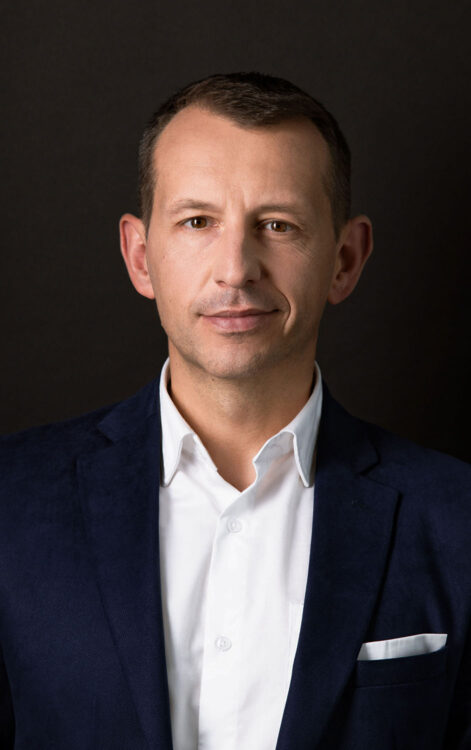
Paweł Gołębiewski
Attorney-at-law, Head of International Criminal Law Practice
Expert advice
Surveillance and Wiretapping in Poland: Defense Strategies
Surveillance and Wiretapping in Poland: Defense StrategiesSIM Swapping and Phone Fraud in Poland: Criminal Threat
SIM Swapping and Phone Fraud in Poland: Criminal ThreatDigital Evidence in Polish Criminal Cases: Admissibility
Digital Evidence in Polish Criminal Cases: AdmissibilityHow can
we help you?
the experts